5.0 ★
68 Google reviews
By the Deluxe Smart Film team — reviewed by Awadrey Delgado, founder (500+ switchable film installations in South Florida since 2020) — Updated 5 July 2026
Smart glass feels incredibly futuristic, but the journey to perfect this technology spans several decades. The evolution of switchable glass is a story of continuous innovation in chemistry and electronics.
The foundational concepts of liquid crystal technology date back to the late 19th century, but it wasn't until the 1980s that researchers began experimenting with dispersing liquid crystals within polymers (PDLC) for practical applications. Early prototypes were thick, required high voltages, and often suffered from poor clarity and reliability.
During the 90s, smart glass began appearing in niche, high-end commercial applications. However, it was prohibitively expensive and primarily manufactured as laminated glass. The manufacturing process was complex, limiting its widespread adoption.
The major turning point came with the development of self-adhesive smart film. By creating a flexible, durable film that could be retrofitted onto existing glass, the technology suddenly became accessible to a much broader market, including residential homeowners and small businesses.
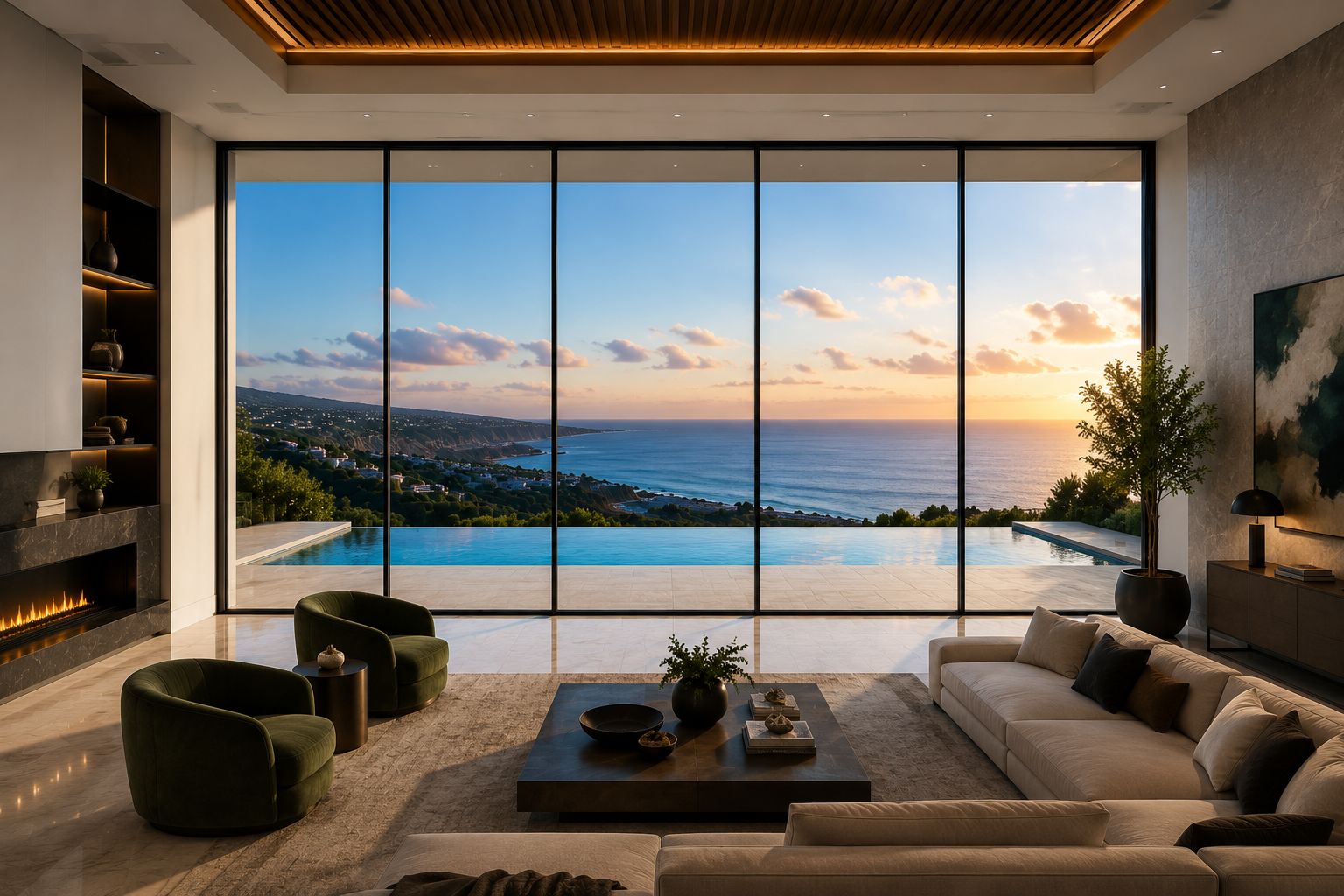
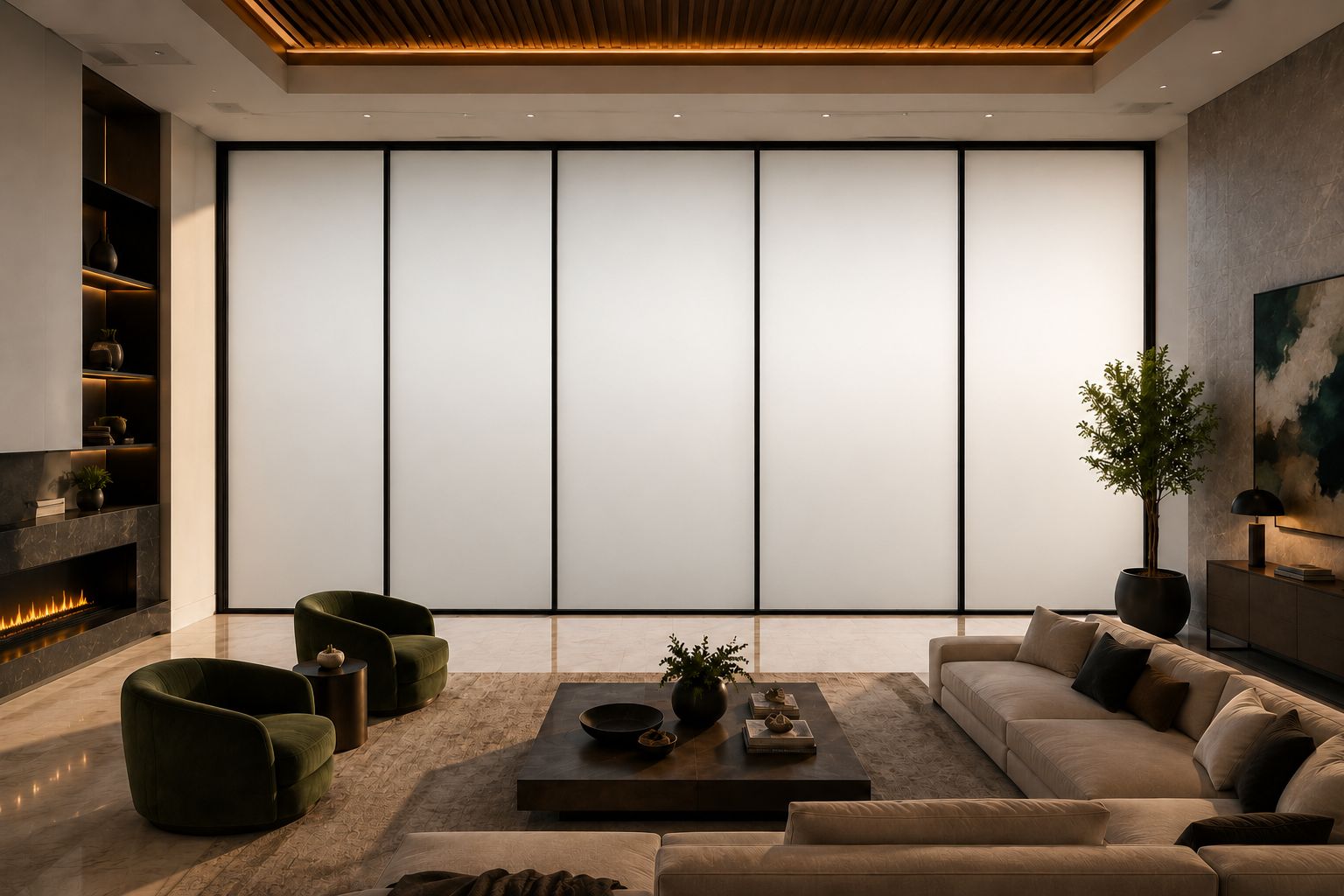
Today's smart film is vastly superior to early iterations. Modern PDLC films operate on very low voltages, offer exceptional clarity (high transparency) when ON, and provide complete opacity when OFF. Furthermore, advancements in smart home integration allow these films to be controlled via voice commands, smartphones, and automated environmental sensors.
From a laboratory curiosity to a standard feature in luxury homes and modern corporate offices, the evolution of smart glass technology is a testament to human ingenuity. At Deluxe Smart Film®, we are proud to install the latest, most advanced generation of this remarkable technology.
A deeper look into the chemistry and physics of PDLC technology. Learn how polymers and liquid crystals interact to create dynamic glass.
Beginner GuidesPDLC film is switchable privacy film for existing glass: how it works, what it costs installed ($55–$90 per sq ft in Miami), where it is used and how long it lasts.
TechnologyDive into the mechanics of switchable smart film. Understand the electrical components and the physical transformation that makes instant privacy possible.
PRIVACY. CONTROL. MODERN LIVING.
Premium smart film professionally installed on your existing glass. No blinds. No curtains. Just instant privacy.
Get My Free EstimateMost projects run $55-$90 per sq ft installed. See your range before you give us your number.
5.0 ★
68 Google reviews
500+
installations
2-year
warranty